Introduction: A Turning Point for the Straw Bag Industry
Global interest in sustainable consumption continues to rise, and the cross-border bag and home accessory markets are expanding steadily — pushing demand for straw bags upward. Meanwhile, industrially produced synthetic straw bags are rapidly replacing traditionally handcrafted natural straw products. The industry is going through a deep structural transformation.
Trend Breakdown: The Three Forces Reshaping the Straw Bag Market
1. Eco-Friendly Recyclable & Biodegradable: Sustainability Is Rewriting the Standards for Finished Products
As sustainability becomes mainstream, both bag brands and end consumers hold finished products to higher environmental standards — eco-friendly material has become a core competitive advantage for straw bags.
On one hand, bags made with recyclable PP/PE-based materials and biodegradable paper straw are gaining momentum, with sustainability turning into a key selling point for brands. On the other hand, overseas cross-border markets are tightening their environmental compliance review: materials must meet the standards, and complete international certifications and test reports must accompany the shipment. Straw bags that fail environmental requirements are gradually being pushed out of overseas markets.
2. Functional Customization: Differentiated Products Break the Homogeneity
Competition in the bag industry is intensifying, and more brands are using distinctive straw designs to differentiate themselves. Performance requirements differ by use case:
Cross-border and long-haul shipping — bags need water-repellent, moisture-resistant, and mildew-resistant performance.
Outdoor styles — woven straw must be weather-resistant and UV-stable, so colors won’t fade in the sun.
Premium designer labels — they prefer unique weave textures and the ability to develop exclusive colorways and silhouettes.
Market demand is pushing finished-product suppliers to upgrade. Suppliers can now customize silhouette, texture, and color palette on demand, moving from sample to new product fast — meeting the multi-brand, fast-paced launch cycles of modern retail.
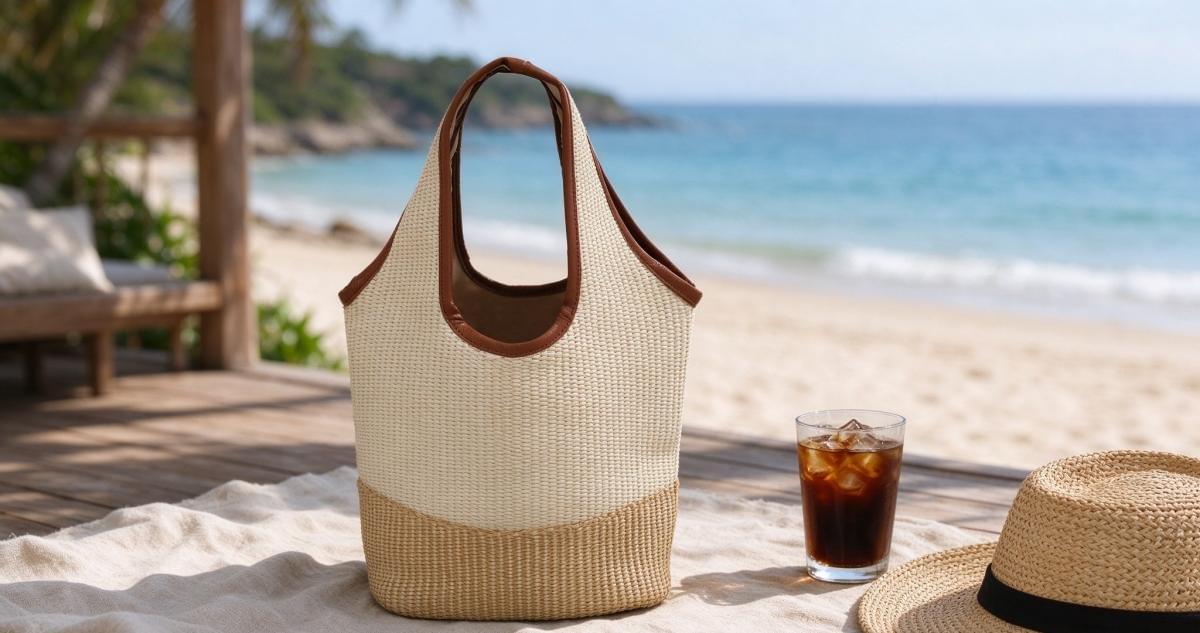
3. Industrial-Scale Production: Stable Delivery for Growing Cross-Border Orders
Traditional natural straw handbags are constrained by harvest cycles and seasonal climate: limited output, noticeable color variation between batches, and elevated customs-compliance risk. They struggle to serve brands that need large, multi-batch, consistent orders.
Straw bags made from PP synthetic straw and paper straw through industrial processes are steadily taking over, supported by standardized product specifications and stable quality control. As cross-border e-commerce bag exports continue to grow, the penetration rate of industrially produced straw bags keeps climbing, driving steady industry expansion.
Under These Trends: How Bag Brands Build a Quality Finished-Goods Supply Chain
The three trends have reset the entire industry landscape, and sourcing criteria have been upgraded across the board. A qualified supplier must:
Hold international environmental qualifications and a complete set of certification reports, avoiding cross-border customs risk.
Offer flexible customization, responding quickly to new product development and small trial orders.
Strictly control color variation between bulk batches, reducing overseas returns and complaints caused by inconsistent quality.
Suppliers that can’t meet this bar will gradually be pushed out of the market. Those that invest early in sustainability, customization, and stable mass production will keep taking market share.

In Practice: Metmate’s Strength as a Straw-Bag Finished-Goods Supplier
Metmate has been focused on the straw bag category for years, specializing in R&D, sampling, customization, and volume supply — delivering a one-stop solution for global brands.
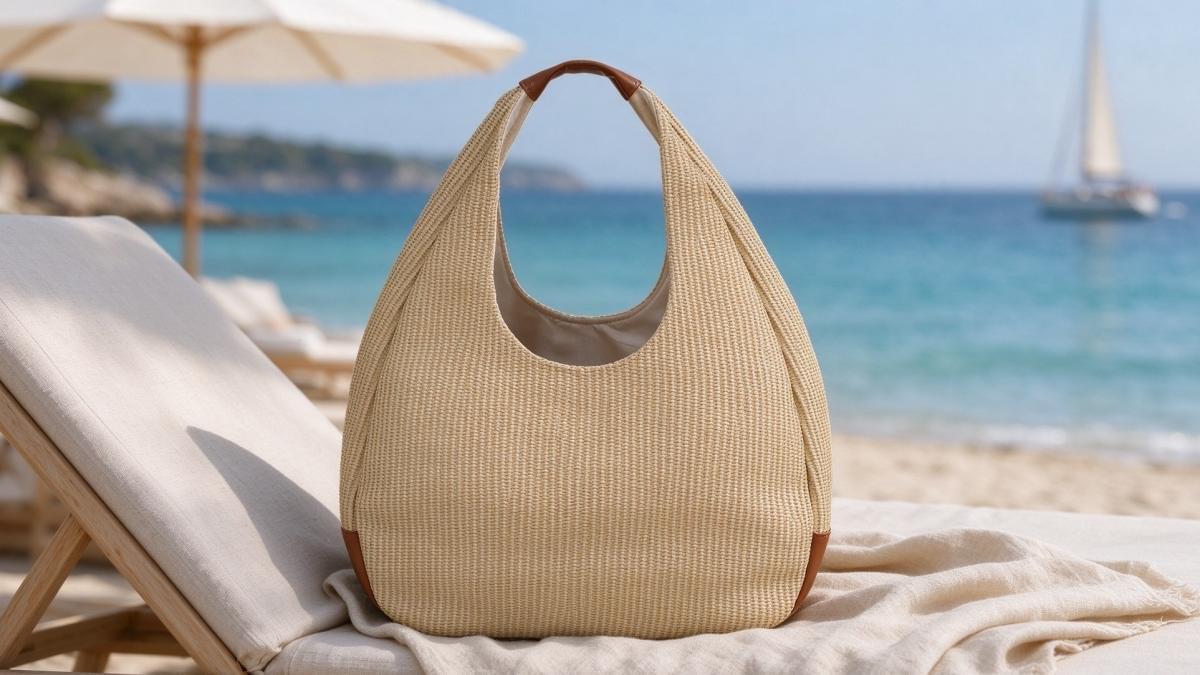
Example — a luxury sustainable fashion label in Macau. The brand was dealing with a limited product range, restricted design options, and inconsistent color between batches, which made large-scale new-product launches impossible. Metmate developed a custom paper-woven straw bag program for them, covering style selection, silhouette development, and sample delivery. The whole sample development cycle took only 20 days. The brand expanded its eco-friendly straw bag category and listed the new products on its official website, and the two sides established a long-term, stable finished-goods supply relationship.
Conclusion: Capture the Next Wave of the Straw Bag Market
Over the coming years, the straw bag industry will keep moving along three tracks: eco-friendly recyclable & biodegradable materials, functional customization, and industrial-scale production, maintaining steady market growth of 8%-12%. For bag brands, the real competitive advantage comes from partnering with a supplier that keeps pace with these trends — full environmental qualifications, stable mass production, and flexible customization. Only with a mature industrial supply chain can a brand capture growth in the global bag market.
Looking to develop custom straw bags? Contact us for our sample book and a tailored quotation.